Outside school, We Create the Environment We Want — It Starts and Ends With Resources
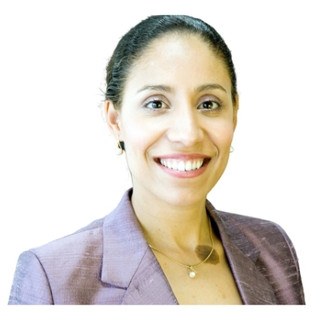
by Maria Moreira-Edwards, Founder, Maria Moon Music CIC & Music STEAM Tech Clubs

There's a gap in music STEAM and Tech education that nobody talks about enough.
On one side, you have the structured highly regulated and standardised school classroom- structured lessons, resources, timetabled, but often too rigid to flex arround a child's real pace of learning.
On the other, you have private tuition, homeschooling and remote music education- flexible, highly adaptable, and personal, but frequently under-resourced, improvised and inconsistent in deliverables.
The more I research what learning I can create outside school, the more I realise that we create the environment we want and it starts and ends with resources.
I've now spent decades on both sides of that gap-I've started as a volunteer when I was just 16 "bringing books to life" at the local library, through theatre and lots of imaginative engagement. Some 10 years after that, I had a rewarding experience progressing as a learning assistant before qualifying as a full time specialist music classroom teacher.
Whilst there I also did a lot of private tuition which meant nurturing learning with small people during the morning and singing with adults in the evening. Those 11 years paved the way to what would be the birth of Maria Moon Music CIC in the first quarter of 2025. One organization with two divisions designed specifically to close the learning gap in two distinct phases of a child's development- birth to 6 and over 7 to 17 years old..
The pre school division of Maria Moon Music CIC, focuses at empowering new parents, childminders, and nannies with modern learning approaches which ofcourse include, a number of adaptations, SEND-aware, neurodivergent-friendly music activities.
This is what is often referred to as learning through play. For older children from 8 onwards it just made sense to explore Music STEAM Tech Clubs and holiday camps. In simple terms Music STEAM is an exciting way to get kids thinking differently. It brings music, creative coding, and technology together for youngsters who are keen to explore other ways to create. Some have a musical brackground. But you don't have to.
We hope to keep nurturing these groups in Shoeburyness and across Southend On Sea, in Essex, England UK.
Different audiences. Same learning philosophy. We learn through exploration and creative thinking.
We create the learning environment we want, with the child's interests at the very core of learning design. This often starts with tangible resources.
The experience Starts From the Moment Children Arrive
I frame every learner's experience from the second they walk in — not from the moment the lesson "starts." How is the child treated, how are they welcomed to the space?
That's the trait people used to call "annoying" in me: I think ahead. I plan pragmatically. I embrace this attention to detail.
I anticipate the small frictions before they happen. I have seen it happen in classes and while conducting a hall with 350 singing students and it isn't fun for anyone.
What does a child experience when they see me or their tutor, to the moment they sit down?
Is their name already there, waiting for them? Is their project kit exactly where they left it, or has it been disturbed or missplaced?
Do they know, without asking, what level they're working at, what language they're coding in, whether they saved their work last time?
These aren't small questions. For a neurodivergent learner, for a child with SEND, for any child who thrives on predictability and being seen — these details are the difference between anxiety and confidence at the very start of a session.
Regardless of it happening online or in a physical room.
That's why every child in our clubs gets their own laminated "My Working Desk" label — their name, their project, their level, their code language, even a simple prompt asking "have I saved my code?"
It sits at their station for the life of the project. When they leave, it goes into a sleeve with their kit — their micro:bit, their gloves, their components — so nothing is touched, moved, or reassigned before they return.
It says, without a single spoken word: this is yours, we remembered it, and you matter here.
That's what I mean when I say resources are where it starts and ends. A beautifully planned curriculum means nothing if the child doesn't feel secure enough to walk back into it next week.

I believe this much: We can be better at Bridging the Classroom-to-Home Gap With the Right Tools
Contrary to what your local authority says in those "support and resources" emails you get weekly, like I do, homeschooling parents, childminders, and private tutors are too often left to source or improvise quality vetted resources that classroom teachers take for granted — structured progression frameworks, proper kit management, safeguarding-conscious session design, genuinely engaging STEAM tools.
That's the gap we're built our clubs to set out to close.
We do it by combining music education with real as well as the very best children coding technology partnerships that any classroom would recognise:
Raspberry Pi Foundation — bringing genuine computing education standards into a music-first environment.
Code Club — the free, global network for kids' coding clubs, whose ethos of accessible, community-led coding education underpins how we structure our sessions.
BBC micro:bit — the pocket-sized computer our young coders use to measure sound, light, and movement, turning abstract data concepts into music-making tools they can hold in their hands.
This is where our two divisions do different but complementary work. Maria Moon Music brings our signature Monomodal Learning approach®️ — Music from the Body, Music from the Heart, Music from the Mind — into homeschool and childminder settings, built around "Music In The Moment": short, focused, 15-minute sessions that respect a young child's attention span and meet SEND and neurodivergent learners exactly where they are.
Music STEAM Tech Clubs takes that same child-centred philosophy and applies it to older learners (8–17years old) project based, through hands-on coding, micro:bit projects, and music technology — kickstarting, quite literally, a new era of music-making for young people who might never otherwise get access to this kind of kit or level of support.
Every Resource, Designed to Make a Child Feel Heard, Seen, and Valued

None of this is decorative. It's deliberate. And its under copyright too: Hah.
Even after years of changing careers from Schools to my own practice I just can't stop being a classroom teacher — no matter how many years or decades I've spent teaching private students, groups, or now our Music STEAM Tech Clubs.
I think ahead. Pragmatically. Always. Can't help it. I need to create better each time.
What I used to think was an annoying trait actually serves our learners beautifully.
Every child gets their own "My Working Desk" label — filled in and stuck to their station until their project is complete.
At the end of each session, just before they leave, they take ownership for their learning journey. They take it and it goes into a sleeve with their kit, so no one else touches their work while they're away. They come back next week and everything is exactly as they left it. Their name. Their project. Their pace.
Because at Music STEAM Tech Clubs, every resource — right down to a laminated desk label — is designed so a child feels heard, seen, and valued. The child is at the centre of every project we build. Always.
Don't worry if you become a member family of our Music STEAM remote learning clubs starting in September, then you will receive this and much more as part of your child's learning plan. We also create monthly learning reports for each child as part of your plan so that you ca keep a portfolio of projects or submit as part of your EHC plan.
Monthly memberships start at £39 per child when you book per Term.
------------------------------>///////>---------------------------------
So, wether it's a 15-minute Music In The Moment session, a desk label, or a micro:bit project sheet — every single resource we create is built around one non-negotiable principle: the child is at the centre of the learning environment design.
Not the curriculum. Not the timetable. Not even the technology. The child.
That's the environment I've always wanted to build — one where a classroom teacher's instinct for structure meets a homeschool parent's need for flexibility, and where a child with SEND, autism, or a neurodivergent profile is never an afterthought in the design, but the starting point of it.
We're not trying to replace the classroom, and we're not trying to replace private or home education either. We're trying to do our best at building the up to date bridge between them — using the right resources, framed the right way, from the moment a child arrives to the moment they finish.
That's what "creating the environment we want" for the child we know, actually means. It's not a mission statement. It's a desk label, a sleeve, a 15-minute session plan, and a micro:bit — all pointed in the same direction.
I hope this bit of writting has inspired you to say out loud: I can do this. I can create the environment for my child, the way I know it will work best for them at this moment in time.
And guess what? We are here with you!
Maria CODE ON:>/__
Questions? Suggestions? Please call me anytime +44 (0) 7742 035 857
Maria Moreira-Edwards is the founder of Maria Moon Music CIC and Music STEAM Tech Clubs, Vice-Chair of Pride in Place Shoeburyness, and a sales transformation specialist with Fadas Digitais Consulting Ltd. Connect with her on LinkedIN to follow the journey of bridging classroom and home-based music-tech education.
#MusicSTEAMClubs #MariaMoonMusic #MonomodalLearning #MusicInTheMoment #STEAMEducation #CodeClubsouthend #RaspberryPi #microbit #SENDEducation #NeurodiverseLearning #Homeschooling #EdTechUK #ChildCentredLearning #southendmusictechclubs


Comments